
Why Michigan basements need to be built differently
Michigan's water table, seasonal freeze-thaw cycles, and heavy spring rain events put more consistent moisture pressure on basement foundation walls than homeowners moving from drier climates might expect. A basement that seems dry in July can behave very differently in a wet April, and finishing decisions made without accounting for that seasonal variation are one of the most common reasons finished basements fail years later — not immediately, but slowly, behind the drywall.
This is why moisture control isn't something we treat as an upgrade option on a basement finishing project. Vapor barriers, egress windows, sump and drainage integration, and dedicated HVAC zoning are core to how we build basements for Michigan's specific conditions, and they're addressed before any finish work begins, not layered on after the fact.
Vapor barriers and moisture control
Concrete foundation walls are porous, and even walls with no visible cracks or leaks allow moisture vapor to migrate through over time — particularly relevant given how consistently damp the ground around a Michigan foundation can be for much of the year. A properly installed vapor barrier system manages this migration so that moisture doesn't get trapped between the foundation wall and your new finished wall assembly, where it can lead to mold growth or material degradation that isn't visible until it's a bigger problem.
Getting this right involves more than stapling plastic sheeting to a wall — it's about how the vapor barrier integrates with the framing, insulation, and any existing or new drainage at the base of the wall. This is foundational work in the literal sense, and it's part of why basement finishing is a different trade discipline than finishing an above-grade room.
Sump and drainage integration
For basements with any history of water intrusion, or in areas with a naturally higher water table, sump pump systems and interior or exterior drainage need to be evaluated and, where needed, integrated before finishing begins. A sump system that's undersized, poorly placed, or not tied into an adequate drainage path around the foundation footing is a liability sitting behind whatever finish work goes on top of it.
This is also where an existing home's history matters — if a basement has had water intrusion before, even infrequently, that history should inform the waterproofing plan rather than being treated as a one-time event that won't recur. We assess this directly during an on-site inspection rather than relying on a homeowner's memory of "it only happened once."
Dedicated HVAC zoning for moisture and comfort
Basements tend to run cooler and more humid than the rest of a house, and simply extending existing ductwork into a finished basement often doesn't manage humidity adequately, which matters both for comfort and for protecting the finished materials themselves. Dedicated HVAC zoning for the basement — sometimes including supplemental dehumidification — gives the space its own climate control rather than relying on conditioned air that was sized for the rest of the house.
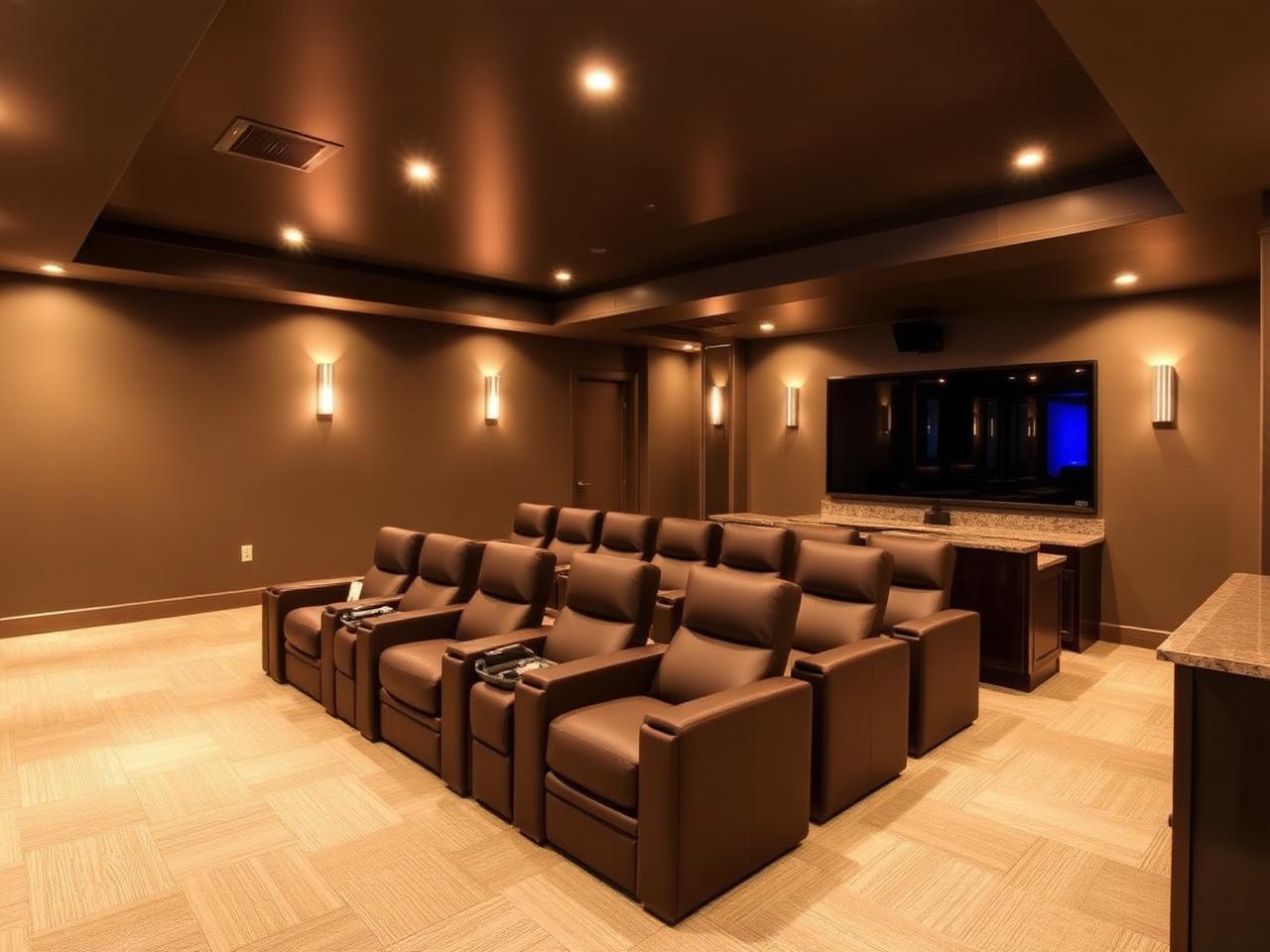
This is particularly relevant for basements finished as bedrooms, home theaters, or home gyms, where consistent temperature and humidity control matters more for comfort and for protecting flooring, electronics, and equipment than it would in a simple rec room.
Why this sequencing matters for your budget and your warranty
Addressing moisture control before finishing rather than reacting to a problem after finishing is both cheaper and more reliable — tearing out finished drywall and flooring to fix a waterproofing issue costs significantly more than building it correctly from the start. It's also what a workmanship warranty depends on: our two-year workmanship warranty assumes the underlying moisture control was built to hold up, which is why we don't skip this step to bring a quote down.
If you're evaluating a finished basement quote from any contractor and moisture control isn't specifically addressed as part of the scope, that's worth asking about directly before signing anything — it's not a line item that should be assumed or left vague.
Ready for a free basements inspection? See our basement finishing services →